Top Sugar Exporters and Wholesale Suppliers Worldwide: Buy Sugar in Bulk and Import Sugar for Wholesale Distribution
Sugar remains one of the world’s most important agricultural commodities and a core ingredient across the food, beverage, bakery, confectionery, pharmaceutical, hospitality and manufacturing sectors. For importers, distributors, wholesalers, supermarkets, food processors and industrial buyers, securing a dependable source of bulk sugar can be essential to maintaining stable production, competitive pricing and reliable inventory. Sugar Exporters And Wholesale Suppliers For Distribution
Whether you are looking for refined white sugar, brown sugar, ICUMSA 45 sugar, ICUMSA 100 sugar, ICUMSA 150 sugar or other sugar grades, international sourcing requires more than simply finding the lowest price. Buyers must evaluate product specifications, supplier reliability, packaging, shipping arrangements, documentation, quality standards and the ability of the supplier to support long-term wholesale distribution.
This guide explains how to identify leading sugar exporters and wholesale suppliers worldwide, how to buy sugar in bulk, what different sugar grades mean and how to manage the process of importing sugar for wholesale distribution. It also highlights product categories available through Usinas Itamarati SA and additional sourcing opportunities through ALT Beverages LTD.
Why the Global Sugar Trade Continues to Create Opportunities for Wholesale Buyers
Sugar is a high-volume commodity used by businesses throughout the global economy. Large quantities are purchased every year by food manufacturers, beverage companies, confectionery producers, bakeries, wholesalers, retailers and distributors.
For wholesale buyers, the attraction of bulk sugar sourcing is straightforward: purchasing larger volumes can improve supply planning, reduce the frequency of procurement and create opportunities for more competitive pricing per metric ton.
However, successful procurement depends on matching the right sugar specification with the intended application.
A food manufacturer may require highly refined white sugar for consistent production. A distributor may need multiple grades to serve restaurants, bakeries and retailers. A trading company may focus on container-load shipments for resale in another market.
The first step is therefore understanding the available product categories and selecting a supplier capable of meeting commercial requirements. Sugar Exporters And Wholesale Suppliers For Distribution
Understanding the Main Types of Sugar Available for Wholesale Purchase & Sugar Exporters And Wholesale Suppliers For Distribution
Sugar is not a single standardized product. Different grades, colors and refining levels are used for different commercial purposes.
Before requesting a quotation, buyers should clearly define the required grade.
Refined White Sugar
Refined white sugar is one of the most widely traded products in the international sugar market. It is commonly used in food production, beverages, confectionery, baking and retail packaging.
Buyers looking for premium refined white sugar may consider White Refined Cane Sugar from Usinas Itamarati SA.
When evaluating white sugar, importers should ask for information about:
- ICUMSA rating
- Polarization
- Moisture content
- Ash content
- Solubility
- Grain size
- Packaging format
- Country of origin
- Shelf-life and storage recommendations
- Available shipment quantities
These details help distributors ensure that the product matches local customer expectations and regulatory requirements.
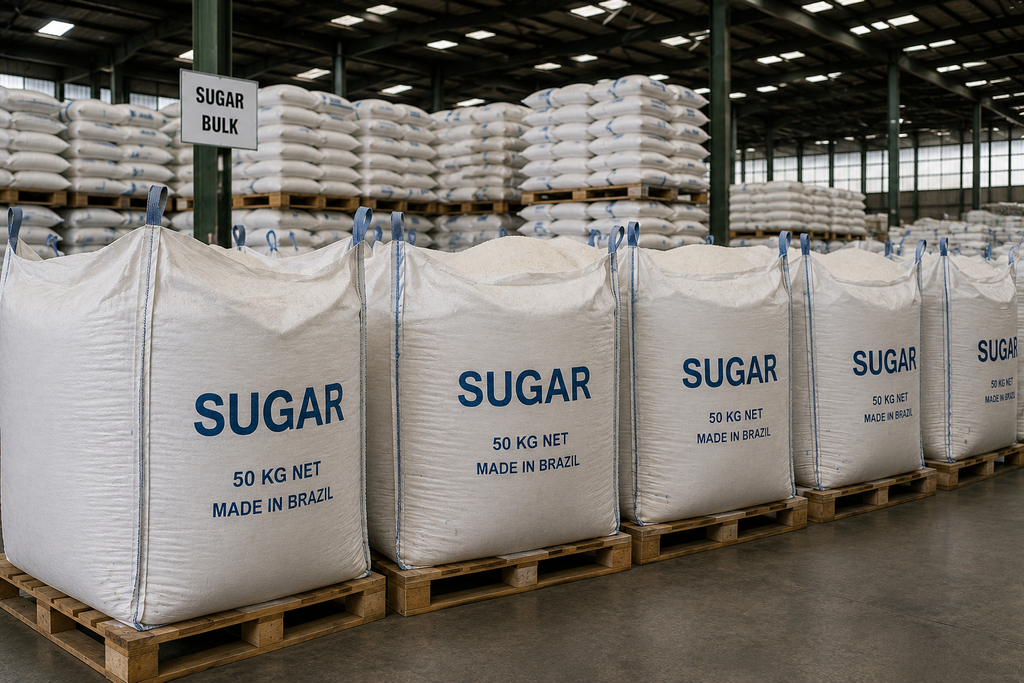
ICUMSA 45 Sugar
ICUMSA 45 is commonly associated with highly refined white sugar and is frequently requested in international wholesale trade.
For buyers seeking this specification, Usinas Itamarati SA offers Refined ICUMSA 45 RBU Standard Sugar.
Another sourcing option is available through ALT Beverages LTD with its Refined White Sugar ICUMSA 45 product page.
ICUMSA 45 sugar is often considered by buyers supplying:
- Beverage manufacturers
- Food processing companies
- Confectionery producers
- Bakeries
- Pharmaceutical and industrial users, depending on local specifications
- Wholesale distributors
- Retail packaging operations
When comparing suppliers, buyers should not rely on the product name alone. Request the full specification and relevant documentation before placing a commercial order. Sugar Exporters And Wholesale Suppliers For Distribution
ICUMSA 100 Sugar
ICUMSA 100 sugar represents another refined sugar category suitable for a variety of commercial applications.
Wholesale buyers can explore Refined ICUMSA 100 Sugar when comparing different grades for import and distribution.
A distributor may choose to stock more than one sugar grade to serve customers with different price points and product requirements.
For example, premium food manufacturers may demand a lighter refined sugar, while certain industrial or regional markets may accept different specifications. Understanding the end customer’s requirements before importing can reduce the risk of holding unsuitable inventory.
ICUMSA 150 Sugar
Buyers seeking a different refined sugar specification can also review Refined ICUMSA 150 Sugar.
The ICUMSA classification should always be considered alongside the complete technical specification rather than treated as the only measure of quality.
Professional importers should confirm:
- Exact product grade
- Color specification
- Physical and chemical characteristics
- Packaging requirements
- Inspection requirements
- Quantity available
- Shipment schedule
This creates a clearer purchasing process and makes supplier quotations easier to compare.
Refined Brown Sugar
Brown sugar can serve a different market segment and may be used in baking, food preparation, specialty retail and foodservice applications.
For buyers interested in expanding their product portfolio, Usinas Itamarati SA provides information about Refined Brown Sugar.
A diversified wholesale distributor may benefit from carrying both white and brown sugar products, particularly when supplying supermarkets, foodservice companies, bakeries and specialty retailers.
How to Find Reliable Sugar Exporters and Wholesale Suppliers Worldwide
Finding a supplier online is easy. Finding a supplier capable of supporting repeated international shipments is more complex.
The best wholesale sourcing strategy combines supplier research, product verification and clear commercial communication.
Start With a Detailed Product Requirement
Before contacting exporters, create a procurement specification.
Your request should include:
- Product name
- Required sugar grade
- ICUMSA specification
- Required quantity
- Packaging preference
- Destination port
- Destination country
- Incoterm preference
- Expected purchase frequency
- Whether you require private labeling or retail packaging
A vague request such as “send your best sugar price” may result in quotations that are difficult to compare.
A more effective inquiry would clearly state the required product, volume and delivery destination.
Evaluate the Supplier’s Product Range
A supplier with multiple relevant products may provide opportunities to consolidate sourcing.
For example, buyers can review the broader portfolio available through Usinas Itamarati SA’s official website.
In addition to sugar products, the company website includes categories such as Corn Gluten Feed and Feed Grains.
This may be particularly relevant for trading companies, agricultural commodity distributors and buyers serving multiple sectors.
Working with suppliers that offer complementary commodity products can simplify procurement planning, although every product should still be evaluated independently for specifications, logistics and regulatory requirements.
Compare More Than Price
The cheapest quotation is not always the most competitive offer.
A lower unit price may be offset by:
- Higher freight costs
- Less favorable payment terms
- Lower-quality specifications
- Different packaging
- Delayed shipment schedules
- Additional inspection requirements
- Port or documentation charges
Instead of comparing only the price per metric ton, buyers should calculate the expected landed cost.
A basic landed-cost calculation may include:
Product Cost + Inland Transport + Ocean Freight + Insurance + Inspection + Duties and Taxes + Port Charges + Local Transport
This provides a more realistic picture of the total cost of importing sugar.
Buy Sugar in Bulk: Choosing the Right Order Quantity
Wholesale sugar purchases can range from pallet quantities to full container loads and larger bulk shipments.
The correct quantity depends on demand, storage capacity, available capital and logistics costs.
Small and Medium Wholesale Orders
Smaller importers may begin with manageable volumes to test the market.
This can help a company:
- Evaluate product acceptance
- Test supplier performance
- Understand local logistics costs
- Build a customer base
- Reduce the risk of excess inventory
However, smaller orders may have a higher cost per unit because fixed shipping and documentation expenses are distributed across fewer products. Sugar Exporters And Wholesale Suppliers For Distribution
Full Container Loads
For established wholesalers and distributors, full-container purchases may offer better logistics efficiency.
Before ordering, confirm:
- Container loading capacity
- Number of bags or packages per container
- Net weight
- Gross weight
- Palletization requirements
- Whether pallets are included
- Container type
- Moisture protection
- Loading port
- Estimated shipping schedule
Do not assume that every supplier uses the same loading configuration.
Ask for a formal packing list or proposed loading plan before confirming the order.
Long-Term Supply Agreements
Businesses with consistent demand may benefit from discussing regular procurement arrangements.
Potential advantages include:
- More predictable supply planning
- Simplified repeat ordering
- Better inventory forecasting
- Potentially improved commercial coordination
Long-term purchasing should still include clear agreements regarding product specifications, pricing mechanisms, quality requirements and shipment schedules.
How to Import Sugar for Wholesale Distribution
Importing sugar requires coordination between the supplier, buyer, freight providers, customs authorities and local regulatory agencies.
The exact process varies by country, but the following framework can help buyers organize their procurement strategy.
Step 1: Research Your Import Market
Before placing an international order, understand your local market.
Research:
- Local sugar demand
- Wholesale selling prices
- Competing brands
- Preferred packaging sizes
- Import duties
- Taxes
- Licensing requirements
- Food safety rules
- Labeling requirements
A product that performs well in one country may not have the same demand in another.
For example, one market may prefer 50 kg industrial bags, while another may have stronger demand for 1 kg or 5 kg consumer packs.
Step 2: Select the Correct Sugar Grade
Your product selection should be based on the requirements of your customers.
Potential buyer segments include:
Food Manufacturers
These buyers may prioritize consistency, technical specifications and reliable volume.
Bakeries and Confectionery Companies
They may require specific grain sizes, refining levels or packaging formats.
Beverage Producers
They may require sugar suitable for their production specifications and quality-control systems.
Wholesale Distributors
Distributors may focus on a balance between product quality, market demand and resale margins.
Supermarkets and Retailers
Retail customers may prioritize packaging, branding and shelf presentation.
Before importing, identify which customer segment will purchase the product.
Step 3: Request a Detailed Quotation
A professional quotation request should include the destination and commercial terms.
Ask the supplier to clarify:
- Product description
- Technical specification
- Price
- Currency
- Minimum order quantity
- Packaging
- Available quantities
- Incoterm
- Loading port
- Estimated production or availability schedule
- Payment terms
- Documentation provided
This information makes it easier to compare different offers.
Step 4: Understand Incoterms
International commercial terms define the responsibilities of buyers and sellers during transportation.
Common arrangements may include EXW, FOB, CFR/CIF and other Incoterms.
The buyer should understand exactly:
- Where responsibility transfers
- Who arranges transportation
- Who pays freight
- Who handles insurance
- Which party manages export clearance
If you are new to international commodity trade, work with a qualified freight forwarder, customs broker or trade professional to ensure that the chosen shipping terms match your operational capabilities.
Step 5: Confirm Product and Quality Documentation
Before shipping, buyers may request documents relevant to the transaction.
Depending on the product, country and agreement, these may include:
- Commercial invoice
- Packing list
- Bill of lading
- Certificate of origin
- Product specification sheet
- Quality or analysis documentation
- Inspection certificates where applicable
- Phytosanitary or food-related documentation where required by the importing country
Requirements vary significantly by market, so importers should verify requirements with their customs authorities and qualified local professionals.
Step 6: Arrange Independent Inspection When Appropriate
For significant commodity purchases, independent inspection may help verify that the shipment corresponds with agreed specifications.
The inspection process should be defined clearly in the sales agreement.
Important points may include:
- Inspection location
- Sampling procedure
- Testing criteria
- Timing
- Who appoints the inspection company
- Who pays for the inspection
An inspection requirement should be agreed before shipment rather than introduced after the goods are already in transit.
Step 7: Plan Customs Clearance Before the Shipment Arrives
A common mistake made by inexperienced importers is waiting until the shipment reaches the destination port before preparing customs documentation.
Instead, prepare in advance.
Work with a customs broker or qualified professional to understand:
- Commodity classification
- Import permits
- Duties
- Taxes
- Food safety requirements
- Labeling rules
- Port procedures
- Required certificates
Early preparation can reduce delays and unexpected storage costs.
Sugar Packaging Options for Wholesale Distribution
Packaging can have a major impact on transportation efficiency, storage and resale.
Common wholesale considerations include large industrial bags, medium-sized commercial packs and consumer-ready packages.
The best format depends on the business model.
Industrial Buyers
Factories and large processors may prefer larger bags that reduce packaging costs and simplify bulk handling.
Distributors
Distributors may purchase larger bags and sell directly to commercial customers or arrange repackaging where legally and operationally appropriate.
Retail Markets
Supermarkets and smaller retailers may require consumer-sized packages.
Before importing, calculate whether the product will be sold:
- In original wholesale packaging
- Through a distributor network
- After repackaging
- As a private-label product, where available and compliant with applicable regulations
How to Store Sugar After Importation
Sugar should be protected from moisture, contamination and unsuitable storage conditions.
A warehouse should generally provide:
- A clean environment
- Dry storage conditions
- Protection from water exposure
- Suitable pest-control procedures
- Appropriate pallet management
- Inventory rotation
Sugar can absorb moisture, so damaged packaging or poor warehouse conditions can affect product quality.
Use a clear inventory management system to track:
- Arrival date
- Batch or lot information where provided
- Warehouse location
- Customer allocations
- Stock movement
Good inventory control is especially important for distributors managing multiple sugar grades.
Building a Profitable Sugar Wholesale Distribution Business
Importing sugar is only the first stage. Profitability depends on building an effective distribution network.
A successful wholesale strategy should identify target customers before the shipment arrives.
Potential customers may include:
- Food manufacturers
- Beverage producers
- Bakeries
- Confectionery businesses
- Restaurants
- Hotels
- Catering companies
- Supermarkets
- Independent retailers
- Agricultural traders
- Wholesale distributors
Instead of trying to sell to every possible customer, focus on the segments that best match your sugar grade and packaging.
Develop a Clear Wholesale Price Structure
Your pricing should account for the complete landed cost.
Consider:
- Product cost
- Freight
- Customs costs
- Warehousing
- Local transportation
- Sales commissions
- Financing costs
- Packaging or repackaging costs
- Expected profit margin
Avoid setting prices based only on competitor advertising. Your own landed cost and operating expenses determine whether a sale is actually profitable.
Build Relationships With Repeat Buyers
Sugar is often purchased repeatedly by commercial users.
This creates an opportunity to develop recurring sales relationships.
A distributor can improve customer retention by offering:
- Consistent product availability
- Reliable delivery
- Clear product specifications
- Competitive wholesale pricing
- Flexible order quantities
- Professional customer service
The goal is to become a dependable supply partner rather than simply making a one-time sale.
Why Product Diversification Can Benefit Commodity Distributors
Many wholesale companies distribute more than one commodity category.
A business importing sugar may also serve customers interested in other agricultural or feed products.
For example, buyers exploring commodity sourcing can review Corn Gluten Feed from Usinas Itamarati SA and the company’s Feed Grains product range.
Diversification can potentially help a trading company serve a broader customer base, but each category should have its own market research, logistics planning and quality requirements.
Similarly, buyers can explore the wider sourcing portfolio presented by ALT Beverages LTD while specifically considering its Refined White Sugar ICUMSA 45 product offering.
Questions to Ask Before Choosing a Sugar Wholesale Supplier
Before committing to a supplier, ask practical questions.
What exactly is the product specification?
Request complete specifications rather than relying solely on a product title.
What is the minimum order quantity?
Confirm whether the supplier supports trial orders, container loads or larger volumes.
What packaging is available?
Packaging affects freight calculations, warehouse handling and customer demand.
Which Incoterms are available?
Make sure the shipping arrangement is clearly understood.
What documents are supplied?
Confirm documentation before payment and shipment.
What is the expected delivery schedule?
Understand the estimated timeline for product availability, loading and international transportation.
Can the supplier support repeat orders?
A supplier may be suitable for a one-time purchase but unable to meet long-term demand.
How are quality claims handled?
Establish procedures before the transaction is completed.
Common Mistakes to Avoid When Buying Sugar in Bulk
Wholesale buyers can reduce risk by avoiding several common mistakes.
Mistake 1: Buying Only on Price
An unusually low quotation should be investigated carefully. Compare the complete commercial offer.
Mistake 2: Failing to Define Specifications
Always specify the exact product requirements.
Mistake 3: Ignoring Import Regulations
Check requirements before the shipment leaves the exporting country.
Mistake 4: Underestimating Logistics Costs
Calculate the full landed cost.
Mistake 5: Ordering More Than the Market Can Absorb
Match purchase volume with realistic sales forecasts and storage capacity.
Mistake 6: Not Planning Distribution in Advance
Develop your customer pipeline before the shipment arrives.
Final Thoughts: Choosing the Right Sugar Exporter for Long-Term Wholesale Growth
The global sugar trade offers opportunities for importers, wholesalers, food manufacturers and distributors that can combine careful sourcing with strong logistics and market planning.
The best purchasing decision is not simply about finding the lowest advertised price. It involves selecting the correct sugar grade, understanding technical specifications, confirming commercial terms, calculating landed costs and ensuring that the product meets the needs of the final market.
For buyers researching refined sugar products and broader agricultural commodity options, Usinas Itamarati SA provides information on multiple products, including Refined Brown Sugar, Refined ICUMSA 150 Sugar, White Refined Cane Sugar, Refined ICUMSA 45 RBU Standard and Refined ICUMSA 100 Sugar.
Buyers seeking additional ICUMSA 45 sourcing options can also review Refined White Sugar ICUMSA 45 from ALT Beverages LTD.
Before placing an order, conduct appropriate due diligence, confirm the latest product specifications and commercial terms directly with the supplier, verify import requirements in your destination market and work with qualified logistics, customs and inspection professionals where necessary. Sugar Exporters And Wholesale Suppliers For Distribution
With a structured procurement process, the right supplier relationships and a clear distribution strategy, importing sugar in bulk can become an important part of a long-term wholesale and commodity distribution business.